Inspiration for me is a funny little thing. Sometimes you're so desperate for an idea, but no matter how hard you try, no matter how many books you read, movies you watch, conversations you overhear...nothing happens. It just seems as though nothing wants to click. Nothing wants to seed itself in your brain and take root. There are also times when an amazing story just seems to fall into your lap, and yet despite its apparent brilliance you just can't seem to cultivate it. You twist it and turn it around in your mind for days, but for whatever the reason (maybe it's just not your story to tell) nothing comes from it.
My favorite time is when inspiration hits. It comes in the oddest places and at the most peculiar times. It can come in the middle of the night from a dream, or from the back of a milk carton on the breakfast table. But when it comes and in whatever form it takes, it's the most amazing feeling. It almost begins to bubble and burst forth in your brain, and no matter how hard you try to put it out of your head it just keeps creeping in. In a matter of hours you have plot, subplot, characters, character vices, everything you need to make a good book. That's the easy part. The story in your head is so easy to tell. It's right there on the tip of your tongue, but getting it onto paper is quite another thing.
My inspiration usually comes at quiet times in my life, when I'm least expecting it. I'll be watching a show and suddenly something that flashes on the screen will leap into my head and begin to evolve. It can be as mundane and odd as the red dress on a woman in a tampax commercial. I don't question Lady Inspiration, I just go with it. It's the most exhilarating part of writing for me. It's almost like falling in love. You feel elated and joyful. It really is an intoxicating feeling.
I wish I had a recipe for inspiration. The ability to know what needs to be added here and what pinch of this needs to be thrown in there, just to create that "I've got a great idea" moment. I think it really just comes from being open and allowing yourself to be vulnerable to a wide variety of emotions and experiences. You can't look for inspiration or formulate it, you just have to let it find you.
Saturday, November 22, 2008


Thursday, November 20, 2008
A Labor of Love
Recently, I got to e-chat about the idea of inspiration with a few other writers. I’m going to be doing a panel at The Tucson Festival of Books in March with Janette Rallison and Jill Wolfson. The three of us have never met, but the festival organizer paired us up and told us to come up with a topic. Jill Wolfson suggested we do something based off of the quote by Edison, that genius is 1% inspiration and 99% perspiration. Not that we are geniuses, she clarified, but because of the fact that writing is also 1% inspiration and 99% perspiration.
I’d never really thought about it before, but I realized she was absolutely right, at least, in my case. I have an abundance of ideas. They come to me in dreams, in the shower, while I’m driving. My inspiration usually hits as a hypothetical. What if X happened? How would this change the characters’ lives? What kind of havoc would this reek or drama would this cause? The ones that I like I write down. Usually on the back of a bill on my desk that I manage to then promptly bury under a pile of something and lose. But if they are good enough, they stick with me nonetheless.
Right now I’m working on an adult book, that I started about a month ago. Actually, let me clarify, I was working on different adult book that I started back in August. I had a great idea, an inspiration, if you will, that came to me in the middle of the night: the perfect first scene and two interesting characters. But I got about 50 pages in and I just wasn’t feeling it anymore. As much as I wanted to sit down and write the book, I found myself reading and rereading what I’d already written and waiting for inspiration to strike to tell me where to take things. Then it did, though not for this particular book. A series of random and seemingly mundane things happened one Friday, and when I was telling my neighbor about them, she said something that caused a spark, a new hypothetical. Suddenly, I was inspired to start over with a new idea.
Was I upset about the 50 pages I’d already spent weeks toiling over? Well, to be honest, a little. But I was also excited about my new idea; I felt I could really make this work, and if I'm going to put in hours and hours and hours of writing, I want it to be on something that I feel will be a fabulous finished product. Besides, it’s also part of what I’ve come to accept as a writer -- no matter how great your initial inspiration is, it really doesn’t mean much on its own. You can’t sell your inspiration. (Well, maybe some writers can, but I’m certainly not at this point!)
So how do I get from that inspiration to completed manuscript? It's something I'm in the middle of right now, and it's work. Lots of it. Writing is an amazing job, and I feel incredibly blessed to be able to do it. But it is a job nonetheless. And not an ordinary job. I can never leave work and come home and forget about it. My characters do not exit my head at 5 PM to return again at 9 the next morning. They are with me. All the time. (Today, for instance, my main character popped into my head while I was in Target and said something I know will be a crucial line near the end of the book.) At night, unlike my friends who put their children to bed and then get to watch TV, clean the house, or go to sleep, I spend a few hours writing and revising. And sometimes, I even dream about my characters.
So yeah, getting inspired is great. Exciting, even. But there are light years between this initial inspiration and a novel. The other 99%, the thinking, writing, revising? I do it because, for me, writing is a labor of love. But that doesn’t keep me from sweating through it all the same.
I’d never really thought about it before, but I realized she was absolutely right, at least, in my case. I have an abundance of ideas. They come to me in dreams, in the shower, while I’m driving. My inspiration usually hits as a hypothetical. What if X happened? How would this change the characters’ lives? What kind of havoc would this reek or drama would this cause? The ones that I like I write down. Usually on the back of a bill on my desk that I manage to then promptly bury under a pile of something and lose. But if they are good enough, they stick with me nonetheless.
Right now I’m working on an adult book, that I started about a month ago. Actually, let me clarify, I was working on different adult book that I started back in August. I had a great idea, an inspiration, if you will, that came to me in the middle of the night: the perfect first scene and two interesting characters. But I got about 50 pages in and I just wasn’t feeling it anymore. As much as I wanted to sit down and write the book, I found myself reading and rereading what I’d already written and waiting for inspiration to strike to tell me where to take things. Then it did, though not for this particular book. A series of random and seemingly mundane things happened one Friday, and when I was telling my neighbor about them, she said something that caused a spark, a new hypothetical. Suddenly, I was inspired to start over with a new idea.
Was I upset about the 50 pages I’d already spent weeks toiling over? Well, to be honest, a little. But I was also excited about my new idea; I felt I could really make this work, and if I'm going to put in hours and hours and hours of writing, I want it to be on something that I feel will be a fabulous finished product. Besides, it’s also part of what I’ve come to accept as a writer -- no matter how great your initial inspiration is, it really doesn’t mean much on its own. You can’t sell your inspiration. (Well, maybe some writers can, but I’m certainly not at this point!)
So how do I get from that inspiration to completed manuscript? It's something I'm in the middle of right now, and it's work. Lots of it. Writing is an amazing job, and I feel incredibly blessed to be able to do it. But it is a job nonetheless. And not an ordinary job. I can never leave work and come home and forget about it. My characters do not exit my head at 5 PM to return again at 9 the next morning. They are with me. All the time. (Today, for instance, my main character popped into my head while I was in Target and said something I know will be a crucial line near the end of the book.) At night, unlike my friends who put their children to bed and then get to watch TV, clean the house, or go to sleep, I spend a few hours writing and revising. And sometimes, I even dream about my characters.
So yeah, getting inspired is great. Exciting, even. But there are light years between this initial inspiration and a novel. The other 99%, the thinking, writing, revising? I do it because, for me, writing is a labor of love. But that doesn’t keep me from sweating through it all the same.
Wednesday, November 19, 2008
I Believe In Writing What You Know
My inspiration comes from real people, real events, and real places I’ve visited. I, like Maureen, try to carry a little pad in my purse and yes, most of my receipts have notes spattered all over the back of them, too. Just the other day, my dear friend Kathy (who is also my next door neighbor) said something that I found hilarious. We were standing in her kitchen when I yelled, “Wait, get me a piece of paper!” It was a great line regarding something that had recently happened to me. I'm definitely working it into my second book. Somehow I already know it will fit perfectly when I get to a certain scene.
I fully believe in the old adage about writing what you know. Once I start writing a character, he or she usually has a hodgepodge of traits taken from my own imagination or something I found particularly delightful about someone I’ve met personally or someone I’ve only heard about. I’m one of these writers who finds the very best humor in real life, so I take a certain situation that has a funny element and build from there.
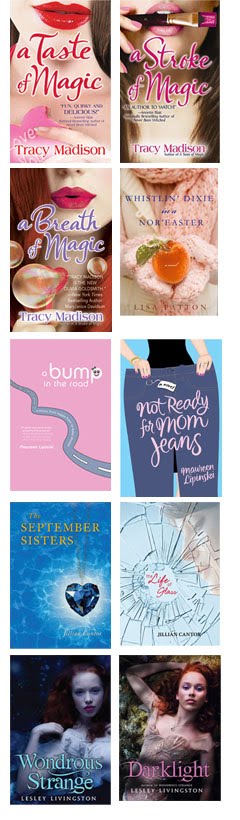
For instance in my novel, Whistlin’ Dixie In A Nor’easter, I have a character named Jeb Duggar who is the handyman at The Vermont Haus Inn. He only works there on the side, really, because his real job is proprietor of Jeb’s Computer World. He’s a typical Vermonter, a.k.a a woodchuck, who has a burly beard and a big handlebar mustache. (I knew lots of men who could fit that description when I lived in Vermont.) One day here in Franklin, I was driving to work and saw one of those pink Mary Kay cars parked at an apartment complex. I got the idea to have Jeb share one of those cars with his mother, who has her Mary Kay business in big letters on the passenger side door and Jeb’s own business, JCW, painted on the driver’s side. Just the thought of that big ole burly guy driving a rusted-out pink Chevy Chevette, put a smile on my face.
The personalities of the girlfriends in my book are an amalgam of my closest friends. The fun part about that is, we’ve been friends since we were five, and I have a rich bank of memories to weave into all my stories.
On a practical note, when starting a novel, I have made suggestions to myself on note cards. I scratch them out as I go, but almost inevitably the book takes it’s own path once I’ve gotten past the first thirty pages or so. I wish I could boast of a certain method to this literary madness but alas, I’m a bit of a hodgepodge myself, with a jumble of ideas and techniques that propel me towards the finish line.
I fully believe in the old adage about writing what you know. Once I start writing a character, he or she usually has a hodgepodge of traits taken from my own imagination or something I found particularly delightful about someone I’ve met personally or someone I’ve only heard about. I’m one of these writers who finds the very best humor in real life, so I take a certain situation that has a funny element and build from there.
For instance in my novel, Whistlin’ Dixie In A Nor’easter, I have a character named Jeb Duggar who is the handyman at The Vermont Haus Inn. He only works there on the side, really, because his real job is proprietor of Jeb’s Computer World. He’s a typical Vermonter, a.k.a a woodchuck, who has a burly beard and a big handlebar mustache. (I knew lots of men who could fit that description when I lived in Vermont.) One day here in Franklin, I was driving to work and saw one of those pink Mary Kay cars parked at an apartment complex. I got the idea to have Jeb share one of those cars with his mother, who has her Mary Kay business in big letters on the passenger side door and Jeb’s own business, JCW, painted on the driver’s side. Just the thought of that big ole burly guy driving a rusted-out pink Chevy Chevette, put a smile on my face.
The personalities of the girlfriends in my book are an amalgam of my closest friends. The fun part about that is, we’ve been friends since we were five, and I have a rich bank of memories to weave into all my stories.
On a practical note, when starting a novel, I have made suggestions to myself on note cards. I scratch them out as I go, but almost inevitably the book takes it’s own path once I’ve gotten past the first thirty pages or so. I wish I could boast of a certain method to this literary madness but alas, I’m a bit of a hodgepodge myself, with a jumble of ideas and techniques that propel me towards the finish line.
Tuesday, November 18, 2008
Brainstorming Bag Lady
My book ideas sometimes start with a single scene. For my upcoming book, A Bump in the Road, it started with an image of a hungover couple flying home from Vegas and being tortured a toddler. A scene many people can relate to, in one fashion or another. The humor potential was endless, but I started to think, "What if this is the ironic setup for a life change for these two poor souls?" And thus, a fictional unplanned pregnancy was created.
But really, there’s no "one way" my ideas come to me. Sometimes, it’s from a funny story one of my coworkers tells me. Or maybe it’s a story in the newspaper. See, I usually start my books with only a vague idea of what they’ll be about. Most times, I just start writing. So little snippets of news events, anecdotes from friends, and even bickering between my husband and I can lead to entire plot twists.
One thing I have really noticed since I started seriously pursuing a writing career is that my brainstorming antenna is always set to "on" now. Before, I’d hear interesting conversations or observe quirky people and they’d fly out of my head two seconds after they entered. But now, everything becomes fair game. Thus, the reason why I’m usually digging frantically through my purse for a piece of paper and a pen to write down my "genius" idea. This is also why lots of my notes are written on the back of McDonald’s receipts (or other trash littering my purse) in eyeliner pencil.
If you can’t tell, it’s a somewhat chaotic way to write a book. Truth be told, I wish I could be one of those people who has a roadmap from the very beginning, someone whose brainstorming is one complete step before beginning a novel instead of some weird hybrid of writing and plotting all at once. But I’ve tried, and it just doesn’t feel right.
So, if you ever see a red-haired woman crazily scribbling on the side of her Dunkin’ Donuts coffee with a teeny-tiny golf pencil while waiting at a stoplight, it’s probably me.
But really, there’s no "one way" my ideas come to me. Sometimes, it’s from a funny story one of my coworkers tells me. Or maybe it’s a story in the newspaper. See, I usually start my books with only a vague idea of what they’ll be about. Most times, I just start writing. So little snippets of news events, anecdotes from friends, and even bickering between my husband and I can lead to entire plot twists.
One thing I have really noticed since I started seriously pursuing a writing career is that my brainstorming antenna is always set to "on" now. Before, I’d hear interesting conversations or observe quirky people and they’d fly out of my head two seconds after they entered. But now, everything becomes fair game. Thus, the reason why I’m usually digging frantically through my purse for a piece of paper and a pen to write down my "genius" idea. This is also why lots of my notes are written on the back of McDonald’s receipts (or other trash littering my purse) in eyeliner pencil.
If you can’t tell, it’s a somewhat chaotic way to write a book. Truth be told, I wish I could be one of those people who has a roadmap from the very beginning, someone whose brainstorming is one complete step before beginning a novel instead of some weird hybrid of writing and plotting all at once. But I’ve tried, and it just doesn’t feel right.
So, if you ever see a red-haired woman crazily scribbling on the side of her Dunkin’ Donuts coffee with a teeny-tiny golf pencil while waiting at a stoplight, it’s probably me.
Monday, November 17, 2008
How Do You Get Your Ideas?
That's a question writers are asked all the time. For me, a story idea can happen while I'm watching TV, driving my car, reading the paper, talking to a friend, or even when I'm asleep. Thinking of story ideas is never the issue, as a new one is always crawling in my brain when I least expect it.
They usually come to me in a "What if" question, followed by a "Why?". Things like, "What if two women are in the airport and decide to switch tickets? Why would they want to do this? What are they each running/hiding/wanting to get away from?"
That particular idea came to me while sitting in an airport in Dallas. I realized, quite suddenly, that once you're past security, no one checks your ticket against your ID again--which means two people could switch tickets and fly under each other's names. If they chose to. But while it's a great idea, and I've already started the story, there's SO MUCH MORE I need to know.
Many of my initial ideas arrive half-baked. Some of them aren't meant to build a book around, but maybe just one scene within the book, and others need time to grow into something more. So, what do I do if pluck one of these ideas out of my file (and yes, I keep a file), but it needs more work? In a word: Brainstorm.
I brainstorm with other writers. This, by the way, doesn't always happen at the beginning of a book. It can happen throughout the writing of the book--maybe I've hit a wall, or need something else to happen, or maybe I can take the story in a couple of different ways and I'm not sure which one is the right one.
Regardless, brainstorming allows me to talk it out to someone else. I'll be honest--most of the time, I don't end up using whatever plot points my brainstorming buddies come up with, but the process seems to loosen my creative energy, and help me find exactly the right answer I need. Though, there are definitely instances whereI've used a plot point or characterization idea and ran with it.
The great thing about brainstorming is it goes both ways. When my writer friends have a problem, they call me, and I talk it out with them. In addition, my local writing group has a full weekend each year devoted to brainstorming, where we talk about multiple books, plots, characters, motivation, and everything and anything each of us needs to get writing.
So while I don't have problems with inspiration (at least not yet, thank goodness), I would be lost without brainstorming. It's an integral part of every book I write--whether I do it on my own, with a friend, or with my writing group.
They usually come to me in a "What if" question, followed by a "Why?". Things like, "What if two women are in the airport and decide to switch tickets? Why would they want to do this? What are they each running/hiding/wanting to get away from?"
That particular idea came to me while sitting in an airport in Dallas. I realized, quite suddenly, that once you're past security, no one checks your ticket against your ID again--which means two people could switch tickets and fly under each other's names. If they chose to. But while it's a great idea, and I've already started the story, there's SO MUCH MORE I need to know.
Many of my initial ideas arrive half-baked. Some of them aren't meant to build a book around, but maybe just one scene within the book, and others need time to grow into something more. So, what do I do if pluck one of these ideas out of my file (and yes, I keep a file), but it needs more work? In a word: Brainstorm.
I brainstorm with other writers. This, by the way, doesn't always happen at the beginning of a book. It can happen throughout the writing of the book--maybe I've hit a wall, or need something else to happen, or maybe I can take the story in a couple of different ways and I'm not sure which one is the right one.
Regardless, brainstorming allows me to talk it out to someone else. I'll be honest--most of the time, I don't end up using whatever plot points my brainstorming buddies come up with, but the process seems to loosen my creative energy, and help me find exactly the right answer I need. Though, there are definitely instances whereI've used a plot point or characterization idea and ran with it.
The great thing about brainstorming is it goes both ways. When my writer friends have a problem, they call me, and I talk it out with them. In addition, my local writing group has a full weekend each year devoted to brainstorming, where we talk about multiple books, plots, characters, motivation, and everything and anything each of us needs to get writing.
So while I don't have problems with inspiration (at least not yet, thank goodness), I would be lost without brainstorming. It's an integral part of every book I write--whether I do it on my own, with a friend, or with my writing group.
Saturday, November 15, 2008
Goodie Goodies
I love cooking. Well actually I should clarify that a little. I love to bake. I also enjoy cooking, but baking is what I prefer. I grew up in a house of bakers. My mother and grandmother are exceptional bakers. I can hardly remember a time when there wasn't some homemade goodie in the house. My mother would make her own donuts, gingerbread cookies, carrot cake, banana bread...you name it, she could make it. And for whatever the reason, maybe through osmosis, I've acquired the skill of baking.
When I first moved out on my own I never baked, but now that I'm married and have kids of my own, I love to bake for them. There is something so wonderful about serving them something you made yourself and hearing them enjoy it. With Christmas just around the corner, I'm already getting ready for my annual Christmas goodie baking. My mother and I decide who is going to make what and then it's three weeks of baking. We each fill containers with our nanimo bars, butter tarts, shortbread cookies, Italian peach cookies, hello dollies and mincemeat pies. Our houses are rich with the smells of homemade gingerbread and strawberry jam tarts. It really is my favorite time of year.
I can remember how excited I would be Christmas Eve morning when my mother would lay out all the delicious treats she had been so busily making the weeks before. The table would look like a painting with the yellows, pinks, greens, and whites of all the pastries she had made. Now I see that same excitement in my own children's eyes when Christmas Eve rolls around and the table is set with all the sweets.
Baking is a very pure and tactile activity. Often you have to get your hands and fingers dirty mixing and kneeding things, and there is something so gratifying about it. It's very soothing, and for me it's a time when I can be alone with my thoughts. I can work out all the issues of the day while I vigorously stir my chocolate chip cookie dough. And the best part of baking, is that I get to eat it when it's done. Yum!
Here is a recipe for a very yummy lemon cheescake and asparagus quiche that is perfect served hot or cold. Enjoy!
Mother’s Homemade Pastry Dough
1375 ml – 5 ½ cups of flour
15 ml – 1 Tsp. baking powder
15 ml – 1 Tsp. salt
45 ml – 3 Tsp. brown sugar
1 egg
20 ml – 1 Tbsp. white vinegar
add water to make 250 ml – 1 cup of liquid
1 pound – 454 g. of shortening
In a large bowl mix all the dry ingredients together. Using a fork or pastry cutter blend in the shortening until the mixture resemble coarse meal. Add just enough egg, water and vinegar for the dough to hold its shape. Roll dough into a ball, wrap in plastic wrap and refrigerate for 30 minutes.
When you are ready to use, roll dough out onto lightly floured surface. Place dough into a pie or quiche pan. Make sure the edges are slightly higher than the edge of the pan so your quiche mixture will not spill over. Place a sheet of tin foil onto the bottom of the pan and then add pastry weights (dried peas or rice). Bake in a 400-degree oven for 15 to 20 minutes or until lightly brown. Cool.
Asparagus Quiche
Pre-made and baked pastry shell
3 eggs lightly beaten
250 ml –1 cup creamo
7.5 ml – ½ Tsp. salt
7.5 ml – ½ Tsp. pepper
1.5 ml – ¼ Tsp. nutmeg
3 slices of bacon, crisply cooked and crumbled
250 ml – 1 cup of grated hard white cheese (cheddar, gruyere, or swiss)
8 asparagus spears, 4 sliced down the center and then cut in half. The remaining 4 spears should be diced into bite size pieces
60 ml – ¼ cup of water
Saute the diced asparagus in a little butter for 3 to 4 minutes. Add water, cover and cook until tender. Once cooled, place asparagus on the bottom of the pastry shell and then sprinkle with bacon and grated cheese.
In a medium bowl mix the eggs, creamo, salt, pepper and nutmeg. Pour mixture into the pie shell. Arrange the remaining halved asparagus on the top of the quiche in a spoke like design. Bake in a 375-degree oven for 35-45 minutes, or until a knife inserted in the center comes out clean.
Serve with a light green salad or roasted tomatoes.
Lemon Cheesecake
Crust:
21 graham crackers
60 ml – 4 Tbsp. melted butter
40 ml – 2 Tbsp. sugar
Filling:
125 ml – ½ cup sugar
grated rind of two lemons
185 ml – ¾ cup of sugar
28 oz. - 625 g. of cream cheese at room temperature
185 ml – ¾ cup dry cottage cheese
60 ml – ¼ cup sour cream
4 eggs
60 ml – ¼ cup fresh lemon juice
1.5 ml – ¼ Tsp. salt
125 ml – ½ cup whipping cream
Lemon Topping:
1 large egg
125 ml – ½ cup sugar
20 ml – 1 Tbsp. water
40 ml – 2 Tbsp. melted butter
pinch of salt
juice and rind of one lemon
Blend graham crackers in a food processor until fine. In a medium bowl mix graham cracker crumbs, melted butter and sugar. Mix well and press firmly into the bottom of a springform pan. Bake on the middle rack of a 325-degree oven for 15 to 17 minutes, or until lightly brown. Cool.
Blend 125 ml - ½ cup of sugar with the grated lemon rind. Add the remaining 185 ml – ¾ cup of sugar. Set aside. Measure cottage cheese into the food processor and blend until fine. Add the sour cream. In a large bowl mix the cream cheese until smooth. Add cottage cheese, sour cream and lemon sugar. Mix well. Add 1 egg at a time until well blended. Next add lemon juice, salt, and whipping cream. Mix well, but do not over beat. Pour batter in springform pan. Bake in a 325-degree oven for 50 to 70 minutes. The cake is done when the sides are firm and the center is slightly wobbly. Turn off the oven and allow the cake to cool while still inside. When cooled, take the cake out and let it cool to room temperature. Allow the cake to cool overnight in the refrigerator or freeze in the freezer (a refreshing twist on a hot summer’s day). Pour topping over it prior to serving.
In a small saucepan beat eggs with a wire whisk. Add sugar and cold water and continue mixing. Gradually add melted butter, salt, grated lemon rind and the juice of one lemon. Cook over medium heat stirring constantly until thickened. Remove from heat and place plastic wrap directly on the top of the filling to prevent a skin from forming. Refrigerate until you are ready to serve the cheesecake.
When I first moved out on my own I never baked, but now that I'm married and have kids of my own, I love to bake for them. There is something so wonderful about serving them something you made yourself and hearing them enjoy it. With Christmas just around the corner, I'm already getting ready for my annual Christmas goodie baking. My mother and I decide who is going to make what and then it's three weeks of baking. We each fill containers with our nanimo bars, butter tarts, shortbread cookies, Italian peach cookies, hello dollies and mincemeat pies. Our houses are rich with the smells of homemade gingerbread and strawberry jam tarts. It really is my favorite time of year.
I can remember how excited I would be Christmas Eve morning when my mother would lay out all the delicious treats she had been so busily making the weeks before. The table would look like a painting with the yellows, pinks, greens, and whites of all the pastries she had made. Now I see that same excitement in my own children's eyes when Christmas Eve rolls around and the table is set with all the sweets.
Baking is a very pure and tactile activity. Often you have to get your hands and fingers dirty mixing and kneeding things, and there is something so gratifying about it. It's very soothing, and for me it's a time when I can be alone with my thoughts. I can work out all the issues of the day while I vigorously stir my chocolate chip cookie dough. And the best part of baking, is that I get to eat it when it's done. Yum!
Here is a recipe for a very yummy lemon cheescake and asparagus quiche that is perfect served hot or cold. Enjoy!
Mother’s Homemade Pastry Dough
1375 ml – 5 ½ cups of flour
15 ml – 1 Tsp. baking powder
15 ml – 1 Tsp. salt
45 ml – 3 Tsp. brown sugar
1 egg
20 ml – 1 Tbsp. white vinegar
add water to make 250 ml – 1 cup of liquid
1 pound – 454 g. of shortening
In a large bowl mix all the dry ingredients together. Using a fork or pastry cutter blend in the shortening until the mixture resemble coarse meal. Add just enough egg, water and vinegar for the dough to hold its shape. Roll dough into a ball, wrap in plastic wrap and refrigerate for 30 minutes.
When you are ready to use, roll dough out onto lightly floured surface. Place dough into a pie or quiche pan. Make sure the edges are slightly higher than the edge of the pan so your quiche mixture will not spill over. Place a sheet of tin foil onto the bottom of the pan and then add pastry weights (dried peas or rice). Bake in a 400-degree oven for 15 to 20 minutes or until lightly brown. Cool.
Asparagus Quiche
Pre-made and baked pastry shell
3 eggs lightly beaten
250 ml –1 cup creamo
7.5 ml – ½ Tsp. salt
7.5 ml – ½ Tsp. pepper
1.5 ml – ¼ Tsp. nutmeg
3 slices of bacon, crisply cooked and crumbled
250 ml – 1 cup of grated hard white cheese (cheddar, gruyere, or swiss)
8 asparagus spears, 4 sliced down the center and then cut in half. The remaining 4 spears should be diced into bite size pieces
60 ml – ¼ cup of water
Saute the diced asparagus in a little butter for 3 to 4 minutes. Add water, cover and cook until tender. Once cooled, place asparagus on the bottom of the pastry shell and then sprinkle with bacon and grated cheese.
In a medium bowl mix the eggs, creamo, salt, pepper and nutmeg. Pour mixture into the pie shell. Arrange the remaining halved asparagus on the top of the quiche in a spoke like design. Bake in a 375-degree oven for 35-45 minutes, or until a knife inserted in the center comes out clean.
Serve with a light green salad or roasted tomatoes.
Lemon Cheesecake
Crust:
21 graham crackers
60 ml – 4 Tbsp. melted butter
40 ml – 2 Tbsp. sugar
Filling:
125 ml – ½ cup sugar
grated rind of two lemons
185 ml – ¾ cup of sugar
28 oz. - 625 g. of cream cheese at room temperature
185 ml – ¾ cup dry cottage cheese
60 ml – ¼ cup sour cream
4 eggs
60 ml – ¼ cup fresh lemon juice
1.5 ml – ¼ Tsp. salt
125 ml – ½ cup whipping cream
Lemon Topping:
1 large egg
125 ml – ½ cup sugar
20 ml – 1 Tbsp. water
40 ml – 2 Tbsp. melted butter
pinch of salt
juice and rind of one lemon
Blend graham crackers in a food processor until fine. In a medium bowl mix graham cracker crumbs, melted butter and sugar. Mix well and press firmly into the bottom of a springform pan. Bake on the middle rack of a 325-degree oven for 15 to 17 minutes, or until lightly brown. Cool.
Blend 125 ml - ½ cup of sugar with the grated lemon rind. Add the remaining 185 ml – ¾ cup of sugar. Set aside. Measure cottage cheese into the food processor and blend until fine. Add the sour cream. In a large bowl mix the cream cheese until smooth. Add cottage cheese, sour cream and lemon sugar. Mix well. Add 1 egg at a time until well blended. Next add lemon juice, salt, and whipping cream. Mix well, but do not over beat. Pour batter in springform pan. Bake in a 325-degree oven for 50 to 70 minutes. The cake is done when the sides are firm and the center is slightly wobbly. Turn off the oven and allow the cake to cool while still inside. When cooled, take the cake out and let it cool to room temperature. Allow the cake to cool overnight in the refrigerator or freeze in the freezer (a refreshing twist on a hot summer’s day). Pour topping over it prior to serving.
In a small saucepan beat eggs with a wire whisk. Add sugar and cold water and continue mixing. Gradually add melted butter, salt, grated lemon rind and the juice of one lemon. Cook over medium heat stirring constantly until thickened. Remove from heat and place plastic wrap directly on the top of the filling to prevent a skin from forming. Refrigerate until you are ready to serve the cheesecake.
Friday, November 14, 2008
Jillian Stole My Post Title.
See...
I am a certified danger to myself and others in a kitchen. Disasterous, one might say.
I burn my fingertips, catastrophically spill things, routinely set off the smoke detector and strike terror into the hearts and tiny minds of the cats upon entering the kitchen for any purpose beyond opening a bag of munchies or making myself a latte (don't be impressed - I have one of those coffee-bot thingies that requires almost negative effort on the part of the user to create frothy caffeinated delights).
I. Do not. Cook.
My mother is a great cook.
Sadly this is not a genetic thing -- or, if it is, it has most defintely skipped a generation.
My mother reads this blog.
When she saw the topic for this week's postings, I think she fell off a chair she laughed so hard.
Then she sent me gag recipes.
Love you, Mom...
Actually, I blame her for my lack of culinary awesomeness. When, throughout the course of your formative years, you have sumptuous meals prepared for you on a regular basis by someone else, what possible earthly sense does it make for you to learn to cook?
Nowadays, I just blame John for reinforcing that early learned behaviour. He is also a terrific cook. And, insofar as he refuses to starve to death waiting for me to make food go, he has claimed the kitchen as his domain. (It's also probably because he wisely doesn't trust me around knives or open flame.)
They say cooking is a number's game. All measurements, and timing, and proportion and degrees.
Fine.
In that case? Here's my best recipe: 416-967-1111.
And just like Europe's flashiest chefs, I can make that one happen with a flourish of the wrist!
I am a certified danger to myself and others in a kitchen. Disasterous, one might say.
I burn my fingertips, catastrophically spill things, routinely set off the smoke detector and strike terror into the hearts and tiny minds of the cats upon entering the kitchen for any purpose beyond opening a bag of munchies or making myself a latte (don't be impressed - I have one of those coffee-bot thingies that requires almost negative effort on the part of the user to create frothy caffeinated delights).
I. Do not. Cook.
My mother is a great cook.
Sadly this is not a genetic thing -- or, if it is, it has most defintely skipped a generation.
My mother reads this blog.
When she saw the topic for this week's postings, I think she fell off a chair she laughed so hard.
Then she sent me gag recipes.
Love you, Mom...
Actually, I blame her for my lack of culinary awesomeness. When, throughout the course of your formative years, you have sumptuous meals prepared for you on a regular basis by someone else, what possible earthly sense does it make for you to learn to cook?
Nowadays, I just blame John for reinforcing that early learned behaviour. He is also a terrific cook. And, insofar as he refuses to starve to death waiting for me to make food go, he has claimed the kitchen as his domain. (It's also probably because he wisely doesn't trust me around knives or open flame.)
They say cooking is a number's game. All measurements, and timing, and proportion and degrees.
Fine.
In that case? Here's my best recipe: 416-967-1111.
And just like Europe's flashiest chefs, I can make that one happen with a flourish of the wrist!
Subscribe to:
Posts (Atom)